Democracy: Dead or Alive? / English
Read in Dutch
Festival with talks, music and more
do 5 nov – 20:00
Anti-democratic forces are on the rise: from extremist parties surging in the polls, to tech bros trying to take over the internet. All the while, the real problems of our time are not being solved. Has democracy had its best time? What is the effect of democratic erosion on institutions like the International Criminal Court and the UN? And why do we time and again seek out more authoritarian leaders in uncertain times?
Just after the US midterms, Arminius will be the stage for the festival Democracy: Dead or Alive? with a broad and diverse programme across multiple rooms. From lectures and debates on the current state of the democratic world to more hands-on sessions about actively participating in and bolstering democracy. At the end of the night we will dance to either celebrate or cry over our democracies.
Timetable
Great Hall
20:00 -21:00 Is Democracy Dying? – Carolien van Ham en Marieke de Hoon
21:15 – 21.30 Cheer for Democracy – Eva Rovers
21:30 – 22:15 Democracy, Big Tech and Technofascism – Milan Sturmer en Eva Rovers
22:30- 22:45 Lessons from Junger – Vincent Blok
22:45 – 23:30 Extreme Politics and Authority – Sarah de Lange
23:30-00:30 Live Death of Democracy & Music by BARDONA
Council Chamber
20:20-20:50: Intervention: The Radio Play – VON
21:00-21:30: Intervention: The Radio Play – VON
Committee Room
20.30: Pick up the mic – Lobby Lokaal
21.30: Crash Course in City Council Politics – Lokaal
vanGennep Bookstore will be there with a book table.
Is Democracy Dying?
Anti-democratic parties are surging in the polls and being elected across the West. At the same time, many of the foundations of democracy seem to be slowly eroding. How are our democracies faring? How well are democracy and human rights safeguarded in a world that seems increasingly isolationist? And what impact does all this have on the international world order and international institutions such as the ICC and the UN? With Tom Buitelaar, Carolien van Ham and Marieke de Hoon.

Tom Buitelaar is an Assistant Professor in the War, Peace & Justice programme at Leiden University’s Institute of Security and Global Affairs, where he studies international conflict interventions in world politics. He is also co-chair of the Dutch Peacekeeping Network, which brings together key stakeholders to improve the Dutch role in UN peacekeeping.
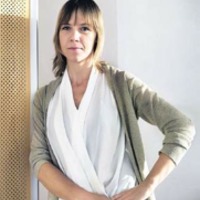
Carolien van Ham is Professor of Empirical Political Science at Radboud University Nijmegen. Her research focuses on democratic erosion, political representation and the integrity of elections. How do democracies falter? And what can we do to ‘save’ our democracies?
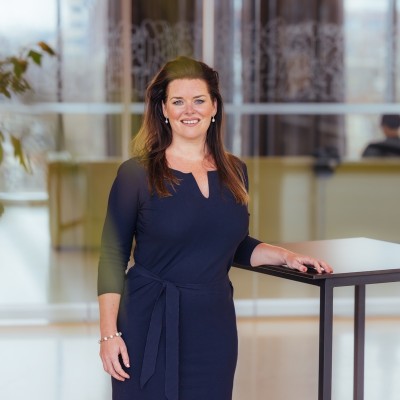
Marieke de Hoon is hoogleraar International Criminal Justice aan de Universiteit van Amsterdam (UvA). In haar onderzoek en onderwijs richt zij zich op internationaal recht, internationaal strafrecht en nationale vervolging van internationale misdrijven en mensenrechten.
Cheer for Democracy
Where can we still find hope in a turbulent political climate? Who is still committed to a democratic world? Hearing Eva Rovers’ story isn’t just a cause for sadness.

Eva Rovers is an author and the director of Bureau Burgerberaad. With her bestseller Nu is het aan ons (2022), she put citizen assemblies on the map in the Netherlands. In her TEDx talk Giving Voice to Future Generations, Eva calls for harnessing society’s collective wisdom to tackle the greatest challenges of our time. Last year, her latest book, Waarom we politiek niet alleen aan politici kunnen overlaten (Why We Can’t Leave Politics to Politicians Alone), was published, in which she uses international examples to show how residents can be permanently involved in decision-making—and the power that unleashes.
Democracy, Big Tech and Technofascism
Tech bro’s like (Ex-)shadow president Elon Musk, anti-democrat Peter Thiel, or Meta mogul Mark Zuckerberg have garnered an immense influence on the workings of our democracies and politics. What are the extreme philosophies behind some of their actions and worldviews? How can we combat anti-democratic influences on big social media platforms? And: how do we control those who seem to control the whole internet? With Eva Rovers, Stan Boeve and Milan Stürmer.
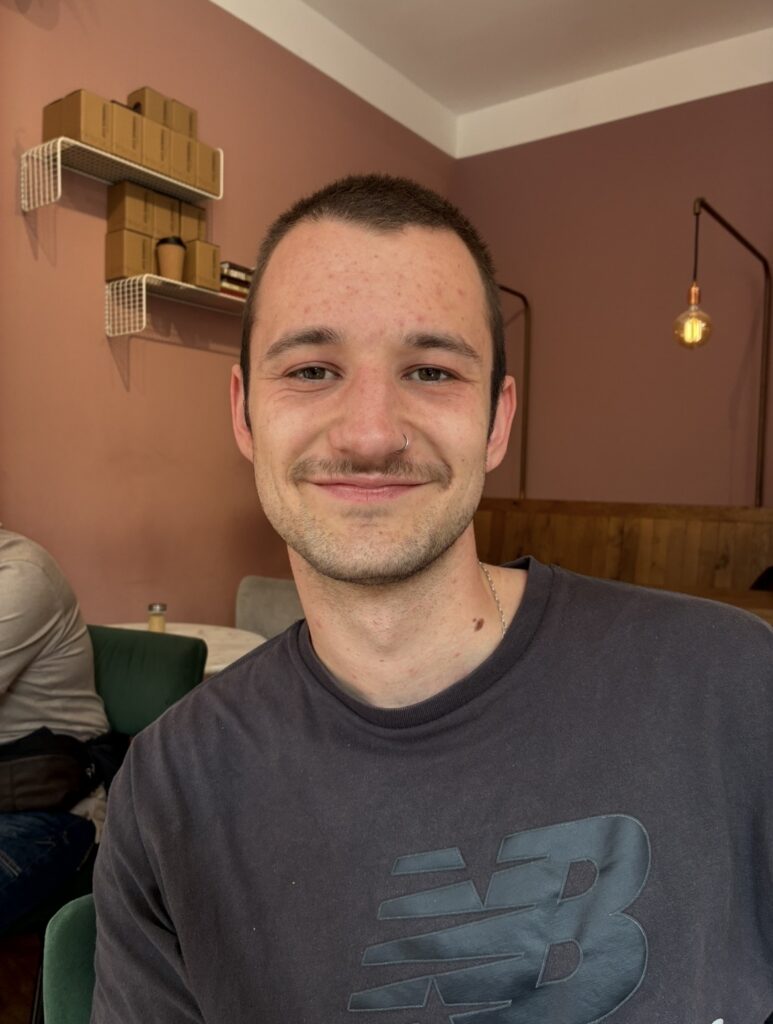
Stan Boeve is an investigative journalist at The Firewall. With his background in theoretical physics, he has an analytical foundation that enables him to conduct data-driven investigations into the abuses committed by Big Tech companies. Specifically, he focuses on violations of the Digital Services Act.
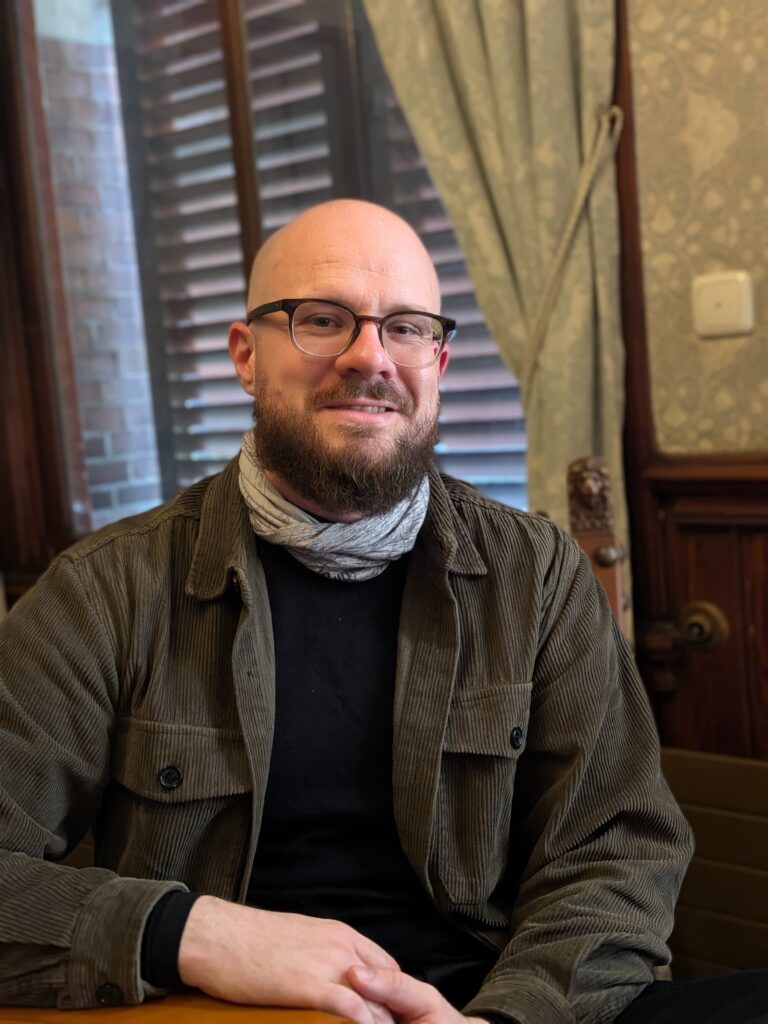
Milan Stürmer is postdoctoral researcher at Erasmus School of Philosophy and coordinator at the Erasmus Institute for Philosophy and Technology. His research explores technofascism, the political epistemology and economy of artificial intelligence, and the development of a contemporary philosophy of technology.
Lessons from Junger
Waarom heeft het werk van Ernst Jünger aantrekkingskracht op jongere generaties? Waarom zijn zij op zoek zijn naar sterke, vaak autocratische leiders, en wat dit zegt over de hedendaagse politiek?
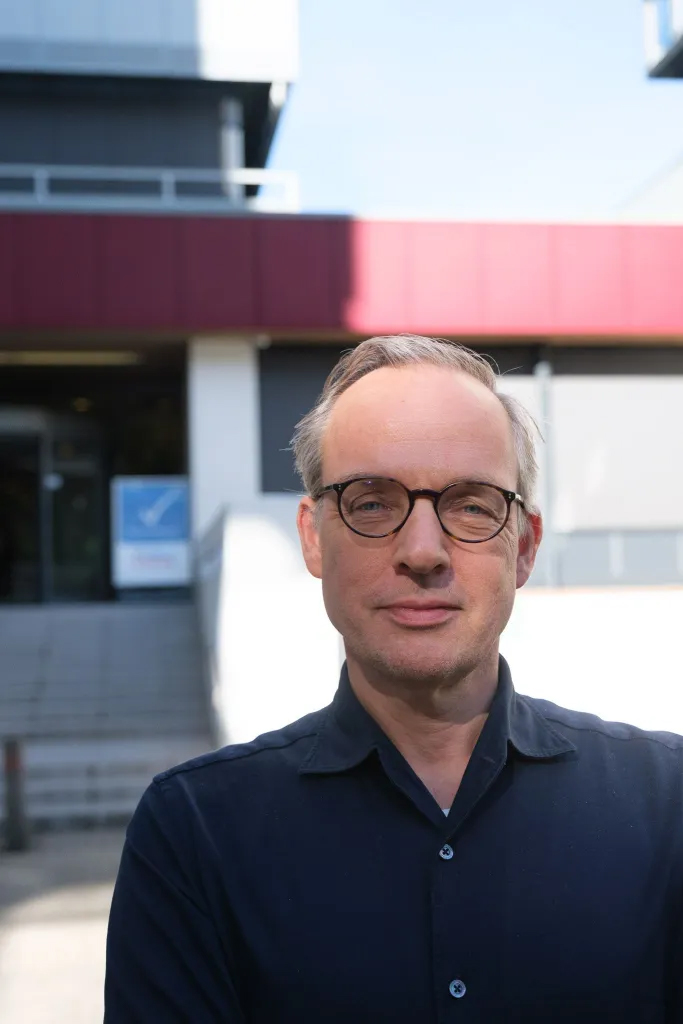
Vincent Blok is professor at the Erasmus School of Philosophy, specializing in disruptive technologies and the human condition. He will discuss the appeal of Ernst Jünger’s work for younger generations, searching for strong, often autocratic leaders, and what this reveals about contemporary politics.
Extreme Politics and Authority
We live in uncertain times. Whenever this is the case extreme politics become more popular. Where does this yearning for authority come from? Is this simply what people currently want to see in their politicians, or are there deeper reasons behind this shift? And: How has the political landscape changed so rapidly, becoming more polarized and extreme over the past decades? With: Vincent Blok, Marc van de Wardt and Sarah De Lange.
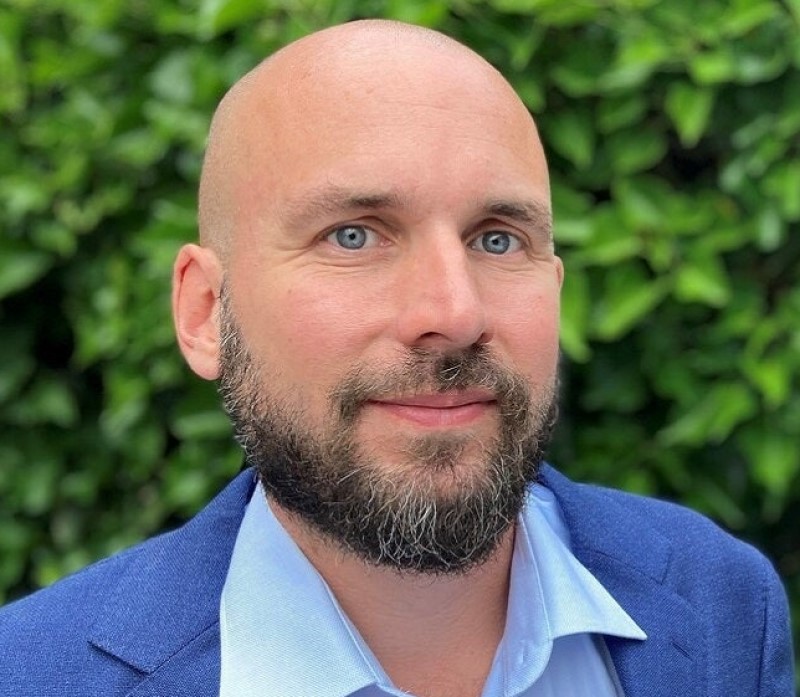
Marc van de Wardt is an Associate Professor at VU’s School of Business and Economics. He has a background in Political Science as well as in Sociology and Communication Science. He examines how personality traits, such as honesty-humility, narcissism, and Machiavellianism, shape who gains and maintains political power and why voters choose for certain personality traits.
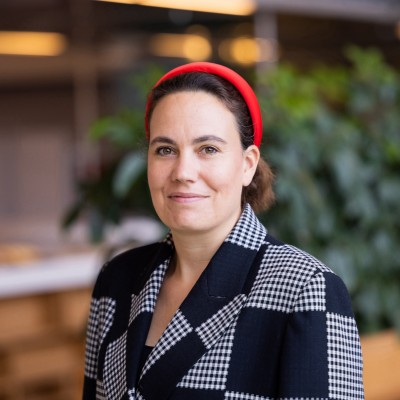
Sarah de Lange is professor of Dutch Politics at Leiden University, where she coordinates the Comparative and Dutch Politics cluster and the Centrum voor Nederlandse Politiek en Bestuur. She is an expert on new social and political divides, and the rise and impact of far-right parties on party systems and democracy.
Live Death of Democracy & Music by BARDONA
We end the night with a short play by the students of theatre association WILDe. Because if democracy is dying, who killed it? And can it then come back to life? After the play feel free to stay and dance your democratic cares away with music by DJ Dona.
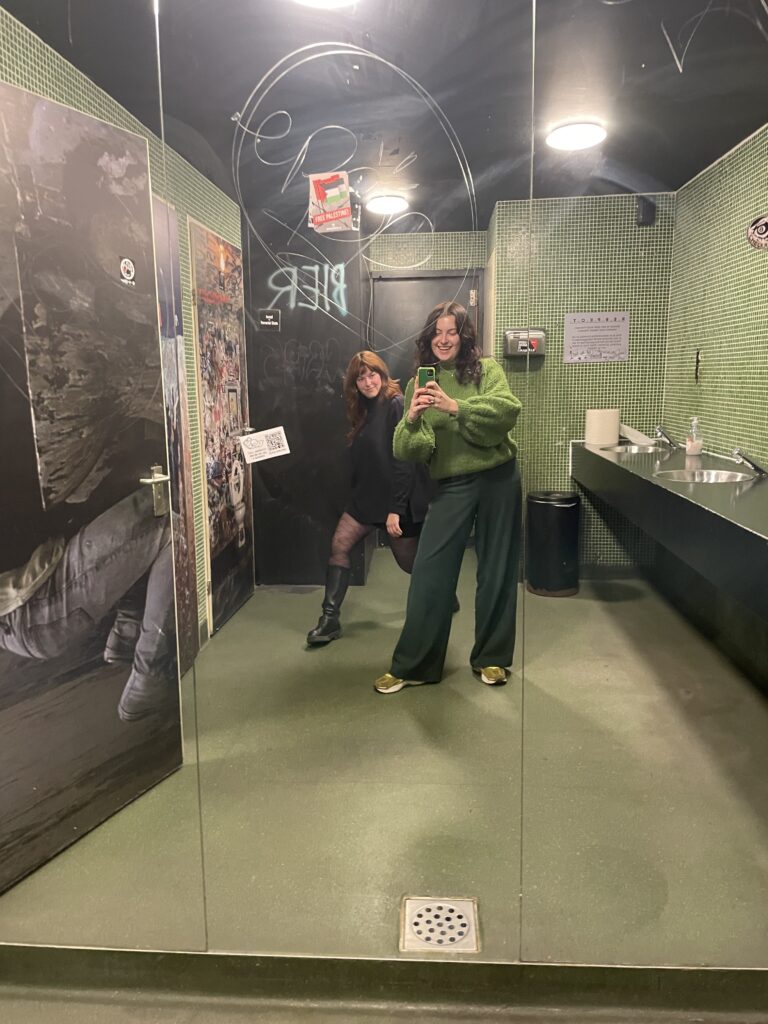
BARDONA – pop, indie, and rock blast through the speakers. Stop by—in addition to spinning records, they also share practical cleaning tips!
Intervention: The Radio Play
The radio play is an intervention that draws participants into an accessible story about democracy and its values in contrast to an authoritarian regime. The idea behind this intervention is to offer participants a tangible comparison in a personal way. Participants are given headphones—similar to those used in a silent disco—through which the audio clip will be played. After the clip, participants will engage in a discussion with one another, guided by a moderator, about democracy and its value.
This is organized by Voor ons Nederland.
You have to be in it, to win it!
During the festival, Lot Mertens will tell you more about Stadsluisteren010. Maybe you know how to vote in elections. You may have heard that the city council makes decisions in public. But how does that actually work? If you don’t know how it works, it’s hard to relate to democracy. You have more influence than you think. To make the most of that influence, you need to know the people and the places.
Crash Course in Local Government
Would you like to learn more about our local government? Then take this crash course in local government. How exactly does the municipality work? Get a sneak peek at the courses that Lokaal offers throughout the year. Curious about what one of these evenings is like? Check out this link.
This is organized by LOKAAL.
Pick up the mic – Workshop
From Complaining at the Bar to Bringing About Change in the City
You’ve probably been there: you’re grumbling yet again about that poorly lit bike path, the lack of affordable rental housing, or the fact that there aren’t any public restrooms to be found. You share your frustration with friends, on social media, or at the bar. But what if you channeled that energy not just into words, but into action? What if you grabbed the mic and made your voice heard where it really matters: in the city council, with the alderman, or in the local newspaper?
In this crash course on public speaking from Lobby Lokaal, you’ll learn how to go from being an annoyed neighbor to a powerful advocate for your city. We’ll show you how ordinary people—like Geerte, who turned a fine for public urination into a national discussion about public restrooms, or Kees and Koos, who changed municipal policy for small cultural initiatives with a simple action—make a real impact. Spoiler: it starts with a good story and the courage to speak up.
So: stop complaining, start taking action. Come to our session and discover how you can make your city a little more beautiful, livable, and just with a clear story, a few smart steps, and a dash of courage. Pick up the mic—the city is waiting for you!
This is organized by Lobby Lokaal.
“Democracy: Dead or Alive?” is organized by Studium Generale, Erasmus University, and Debatpodium Arminius in collaboration with Lobby Lokaal, LOKAAL, Voor Ons Nederland, Bureau Burgerberaad, and Vfonds. The Vfonds is the National Fund for Peace, Freedom, and Veterans.



Toelichting reductie
Een programma organiseren kost veel geld, daarom vragen we je een ticket met normaal tarief te kopen, zo kunnen we meer programma’s realiseren. Mocht een goedkoper kaartje voor jou het mogelijk maken dat je het evenement wèl kunt bezoeken, kies dan het kaartje met reductie.